Introduction
Buying a coffee machine should be an upgrade to your daily routine — not a source of regret. Yet, many Australians end up purchasing a machine that doesn’t suit their lifestyle, skill level or long-term needs. The result is often inconsistent coffee, unnecessary complexity, or a machine that rarely gets used to its full potential.
With so many options available — from fully automatic bean-to-cup machines to hands-on manual espresso setups — it’s easy to focus on price, appearance or brand name alone. However, the most common buying mistakes usually come down to misunderstanding how a coffee machine will actually be used day-to-day.
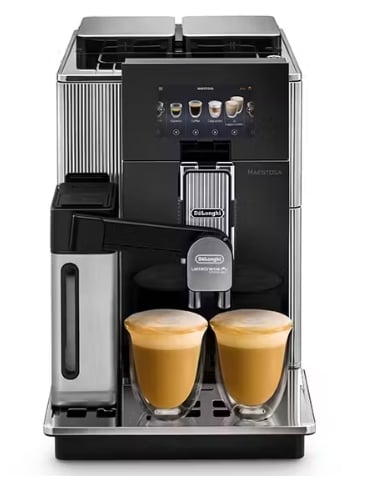
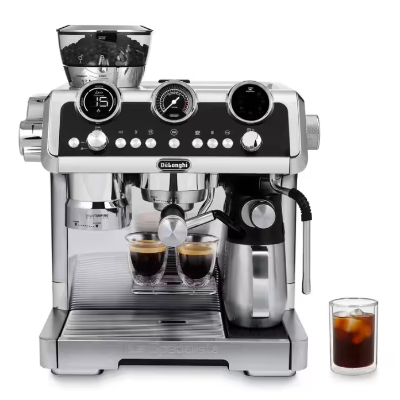
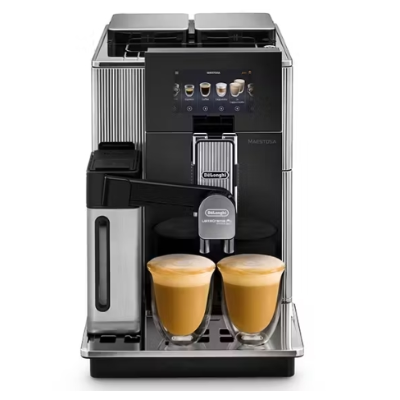
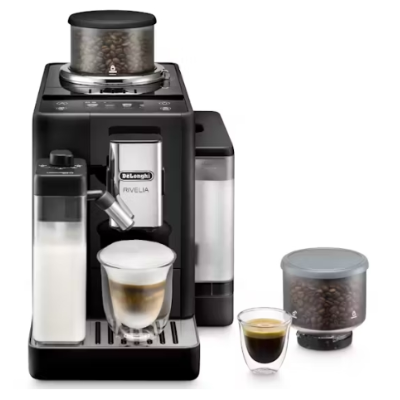
At Service Sphere, we regularly help customers navigate these decisions, whether they’re choosing a reliable automatic machine like the De’Longhi Magnifica Evo, exploring newer platforms such as the De’Longhi Rivelia, or stepping into more manual control with machines like the De’Longhi La Specialista Maestro. Each serves a very different type of coffee drinker — and choosing the wrong category is where problems often begin.
In this guide, we break down the top five mistakes people make when buying a coffee machine, explain why they matter, and show how to avoid them using real-world examples from coffee machines currently available at Service Sphere. If you’re looking to buy once — and buy right — this is the place to start.
Mistake #1: Buying the Wrong Type of Coffee Machine for Your Lifestyle
One of the most common — and costly — mistakes people make when buying a coffee machine is choosing a model that doesn’t align with how they actually drink coffee day to day. This usually happens when buyers underestimate how much time, effort and involvement different machine types require.
At a high level, coffee machines fall into three broad categories: fully automatic, semi-automatic, and manual-leaning hybrid machines. Each suits a very different kind of user.
Why this mistake happens
Many buyers assume they will enjoy the hands-on experience of making espresso, only to realise they want speed and consistency on busy mornings. Others go the opposite way — purchasing a one-touch machine when what they really want is control over grind size, extraction and milk texture.
The result is often frustration, under-used features, or a machine that feels like “overkill” for daily use.
Real-world examples from Service Sphere
- Fully automatic, convenience-first users
If your priority is quick, consistent coffee with minimal effort, a bean-to-cup machine is usually the right fit. Models such as the De’Longhi Magnifica Evo or the De’Longhi Rivelia are designed for everyday use, offering one-touch drink selection, integrated grinders and automated milk systems. These machines suit households or offices where multiple people want good coffee without a learning curve. - Hands-on coffee enthusiasts
If you enjoy the process of making coffee and want more influence over flavour, dose and extraction, a semi-automatic machine is often a better choice. The De’Longhi La Specialista Maestro, for example, gives you manual control with built-in guidance, making it ideal for users who want to develop their barista skills without going fully commercial.
How to avoid this mistake
Before choosing a machine, ask yourself three practical questions:
- How much time do I realistically want to spend making coffee each day?
- Am I making coffee mostly for myself, or for multiple people?
- Do I value convenience more than control — or vice versa?
Answering these honestly will immediately narrow down the right category of machine and help you avoid buying something that doesn’t suit your lifestyle.
Mistake #2: Underestimating Bench Space, Machine Size and Capacity
Another common oversight when buying a coffee machine is failing to consider how much physical space the machine will actually require — and how that space impacts day-to-day usability. A coffee machine that looks great online can quickly become inconvenient if it dominates the kitchen bench, doesn’t fit under overhead cupboards, or needs constant refilling.
This mistake is particularly common when upgrading from a pod machine or basic espresso setup to a more capable automatic or semi-automatic machine.
Why this mistake happens
Product images rarely give a true sense of scale. Buyers often focus on features and price without measuring available bench space or thinking about clearance for water tanks, bean hoppers and cup trays. Capacity is also overlooked, leading to frustration when machines need frequent refilling or emptying.
What to watch out for
- Height clearance: Many machines require additional vertical space to remove the water tank or refill beans.
- Footprint: Wider machines can limit prep space or interfere with other appliances.
- Water and bean capacity: Smaller tanks may be fine for solo use, but quickly become impractical for families or shared kitchens.
Real-world examples from Service Sphere
- Compact, space-efficient option
The De’Longhi Rivelia is designed with a relatively compact footprint while still offering full bean-to-cup functionality. It’s a strong option for kitchens with limited bench space that still want automatic convenience. - Larger capacity, higher presence machines
Machines such as the De’Longhi Magnifica Evo range offer increased capacity and drink variety, but require more bench space and clearance. They are better suited to households or small offices where the machine will be used frequently throughout the day. - Semi-automatic considerations
With machines like the La Specialista Maestro, space requirements extend beyond the machine itself. You also need room for accessories such as milk jugs, tampers and cleaning tools, which should be factored into your setup.
How to avoid this mistake
Before purchasing, measure your available space carefully and consider:
- Bench width, depth and overhead clearance
- How often you’re willing to refill water and beans
- Whether the machine will be a permanent fixture or occasionally moved
Choosing a machine that fits comfortably into your space will improve usability and ensure the machine becomes part of your daily routine — rather than an obstacle.
Mistake #3: Focusing Only on the Purchase Price and Ignoring Ongoing Costs
It’s easy to compare coffee machines based on the upfront price alone, but this is one of the biggest mistakes buyers make. The true cost of owning a coffee machine is spread over years of use and includes maintenance, cleaning products, consumables and, in some cases, professional servicing.
A machine that looks like good value at checkout can become expensive — or frustrating — if ongoing requirements aren’t considered from the outset.
Why this mistake happens
Many buyers assume that all coffee machines require similar upkeep. In reality, the level of maintenance varies significantly depending on the type of machine, internal components and how often it’s used. Fully automatic machines, in particular, rely on regular cleaning and descaling to maintain performance.
Ignoring these factors can lead to poor coffee quality, reduced lifespan and avoidable repair costs.
Real-world examples from Service Sphere
- Automatic machines with guided maintenance
Machines such as the De’Longhi Magnifica Evo and De’Longhi Rivelia include automated cleaning and descaling prompts. While this adds to long-term reliability, owners should budget for descaling solutions, milk system cleaners and periodic servicing to keep the machine performing as intended. - Semi-automatic machines with manual upkeep
With a machine like the De’Longhi La Specialista Maestro, ongoing costs may be lower in terms of internal cleaning systems, but more responsibility falls on the user. Regular group head cleaning, grinder maintenance and manual milk system care are essential for consistent results.
Costs buyers often overlook
- Descaling and cleaning products
- Water filters or filtration systems
- Replacement parts such as seals or milk components
- Professional servicing for higher-use machines
How to avoid this mistake
When comparing coffee machines, think beyond the sticker price and ask:
- How often will this machine need cleaning or descaling?
- Are consumables easy to source and affordable?
- Is local servicing available if something goes wrong?
Choosing a machine with maintenance requirements that match your willingness to care for it will protect your investment and ensure better coffee over the long term.
Mistake #4: Choosing Features Over Real-World Functionality
Coffee machines are often marketed with long lists of features — touchscreens, custom drink menus, connected apps and advanced settings. While these can sound impressive, they don’t always translate into better coffee or a better ownership experience. One of the most common mistakes buyers make is choosing a machine because it has more features, rather than because it performs the core tasks well.
In many cases, unnecessary complexity leads to confusion, longer setup times and features that go unused after the first few weeks.
Why does this mistake happen
When comparing machines online, feature lists can appear to be the easiest way to judge value. However, not all features improve cup quality or usability. Extra settings, for example, may require more maintenance, more learning time and more troubleshooting — particularly for households with multiple users.
Real-world examples from Service Sphere
- Well-balanced, function-first machines
The De’Longhi Magnifica Evo range focuses on consistent grinding, extraction and milk texturing without overwhelming the user. It offers the features most people actually use, making it a strong choice for daily coffee drinkers who want reliability over novelty. - Advanced features for the right user
The De’Longhi Rivelia introduces newer technology and customisation options, which can be valuable if you enjoy experimenting with different beans and drink styles. However, these features are best suited to users who will actively engage with them, rather than those looking for pure simplicity. - Manual control where it matters
Machines like the La Specialista Maestro prioritise hands-on brewing performance rather than digital add-ons. For users who want to influence flavour and texture directly, this type of functionality is far more valuable than extra automation.
How to avoid this mistake
Instead of asking “What features does this machine have?”, consider:
- Will this feature improve my everyday coffee experience?
- Will multiple users understand and use it?
- Does it add complexity without improving consistency?
A machine that does a few things exceptionally well will almost always outperform one that tries to do everything.
Mistake #5: Skipping Reviews, Expert Advice and Real-World Guidance
The final — and often most avoidable — mistake people make when buying a coffee machine is relying solely on product descriptions and marketing claims. While specifications and feature lists are useful, they rarely tell the full story about how a machine performs in everyday use.
Without reviews and expert input, buyers risk choosing a machine that looks good on paper but falls short in reliability, ease of use or long-term satisfaction.
Why this mistake happens
Many buyers assume that a well-known brand name guarantees the right fit. Others rush the decision, particularly during sales periods, without taking time to compare real-world experiences or ask for advice. This can lead to disappointment once the machine is used daily rather than occasionally.
Real-world examples from Service Sphere
- Understanding day-to-day usability
Popular machines such as the De’Longhi Magnifica Evo series consistently receive strong feedback for ease of use and consistency — something that becomes far more important over months and years of ownership than headline features. - Matching expectations to experience
Machines like the La Specialista Maestro are often praised by users who enjoy hands-on brewing, but may feel demanding for those expecting push-button simplicity. Reviews and expert guidance help set these expectations before purchase. - Newer platforms and innovations
With newer machines such as the De’Longhi Rivelia, reviews and specialist insight are especially valuable in understanding how new features perform outside of controlled demonstrations.
How to avoid this mistake
Before purchasing, take the time to:
- Read user reviews focusing on long-term ownership, not just first impressions
- Compare feedback from people with similar usage habits to yours
- Speak with coffee equipment specialists who understand both the machines and the after-sales support
At Service Sphere, this guidance is a key part of helping customers choose equipment that suits their needs — not just their budget.
Buy Once, Buy Right
Most coffee machine regrets don’t come from buying a bad machine — they come from buying the wrong machine. Whether it’s choosing the wrong type, underestimating space requirements, overlooking ongoing costs, being distracted by unnecessary features, or skipping expert advice, these mistakes can all be avoided with a little upfront planning.
By clearly understanding how you drink coffee, how much involvement you want in the process, and how the machine will fit into your home or workplace, you dramatically increase the chances of long-term satisfaction. Machines like the De’Longhi Magnifica Evo, De’Longhi Rivelia, and De’Longhi La Specialista Maestro all excel in different scenarios — the key is matching the machine to the user, not the other way around.
If you’re unsure which direction to take, getting advice before you buy can save you years of frustration and help ensure your next coffee machine is an investment you genuinely enjoy using every day. Talk to us and we can help you to make the right choice.
Frequently Asked Questions (FAQs)
What type of coffee machine is best for most people?
For most households, a fully automatic bean-to-cup machine offers the best balance of convenience, consistency and quality. Machines such as the De’Longhi Magnifica Evo are well suited to daily use with minimal effort.
Are fully automatic coffee machines hard to maintain?
Modern automatic machines are designed with guided cleaning and descaling programs. While they do require regular maintenance, following on-screen prompts and using the correct cleaning products keeps upkeep straightforward and predictable.
Is a more expensive coffee machine always better?
Not necessarily. Higher-priced machines often add capacity, build quality or advanced features, but the “best” machine depends on how you plan to use it. A mid-range machine that suits your routine will often outperform a premium model that doesn’t.
Should I choose a machine with a built-in grinder?
A built-in grinder adds convenience and ensures beans are ground fresh for each cup. For most users, this is a significant advantage and simplifies the overall setup.
How do I know if a semi-automatic machine is right for me?
If you enjoy being involved in the brewing process and want more control over flavour and extraction, a semi-automatic machine like the De’Longhi La Specialista Maestro can be very rewarding. If speed and simplicity matter more, an automatic machine is usually the better choice.
Where can I get advice before buying a coffee machine?
Speaking with specialists who understand both the machines and long-term ownership is one of the best ways to avoid mistakes. Service Sphere provides guidance across home coffee machines and commercial machines, helping buyers choose equipment that genuinely fits their needs.
Why Buy from Service Sphere?
Service Sphere is one of Australia’s most established suppliers of commercial coffee equipment, with over 50 years of experience serving the hospitality industry. We are not just a retailer — we are a full-service coffee equipment partner, offering sales, installation, genuine parts, and ongoing preventative maintenance nationally.
|
Australian Industry Leader A privately owned, family business with more than five decades serving Australian cafes, restaurants, and hospitality businesses. |
Full-Service Support From installation and commissioning through to ongoing preventative service and technical training, we support your machine throughout its entire working life. |
|
Genuine Parts Supply We stock an extensive range of genuine La Marzocco parts, so when your machine needs attention, we have what your technician needs — fast. |
Authorised Agency Service Sphere holds authorised Australian agency relationships with world-leading coffee equipment brands, ensuring every machine sold is fully backed. |
|
Technical Training We offer technical training programs to help your team get the most from your equipment and extend the working life of your investment. |
National Reach Service Sphere operates nationally across Australia, so wherever your business is located, our support network can reach you. |
Service Sphere Price Match GuaranteeWe always endeavour to offer the most competitive prices available on commercial coffee equipment in Australia. If you find the same product at a lower price from another Australian retailer, simply submit the details through our Price Match page and our team will work to match or beat that price. You should never have to choose between quality service and competitive pricing.
Submit a Price Match Request
|