
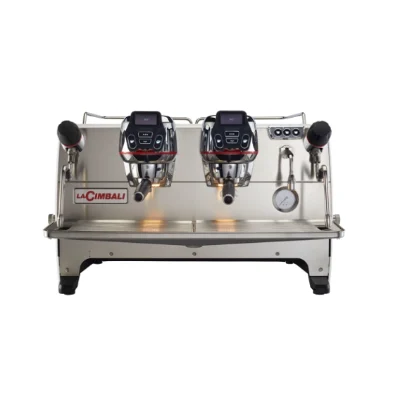
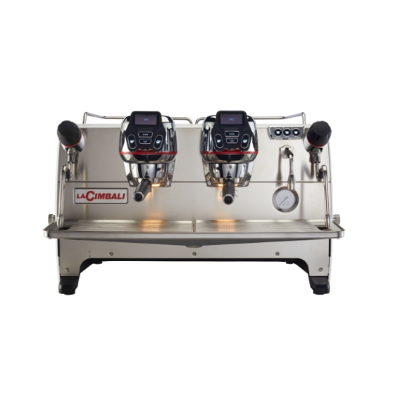
Introduction
Milk-based coffee has become the backbone of modern café menus—but delivering consistent quality at scale remains one of the biggest operational challenges in hospitality. From fluctuating staff skill levels to peak-hour pressure, even experienced teams can struggle to produce perfectly textured milk, cup after cup.
This is where the La Cimbali M200 HQM changes the conversation.
Designed to bridge the gap between traditional espresso craftsmanship and advanced automation, the M200 HQM introduces a smarter, more consistent approach to milk preparation. By combining precision engineering with intelligent milk technology, it allows cafés, restaurants, and high-volume venues to maintain exceptional drink quality—without slowing down service.
In this article, we explore how the La Cimbali M200 HQM works, what makes it different, and why it’s quickly becoming a go-to solution for businesses looking to improve consistency, efficiency, and overall coffee performance.
Understanding HQM (High Quality Milk) Technology
At the core of the La Cimbali M200 HQM is its High Quality Milk (HQM) system, a purpose-built solution designed to standardise milk texturing across every drink, regardless of who is operating the machine.
Traditional steam wands rely heavily on barista technique—introducing variability in foam quality, temperature, and texture. HQM removes much of that inconsistency by using a controlled system where steam and milk are managed separately, allowing for precise aeration and heating parameters every time.
What this means in practice is simple: whether it’s a busy Monday morning or a quiet afternoon shift, every flat white, cappuccino, or latte is produced with the same silky texture and temperature profile.
The system also allows operators to define and store specific milk settings, meaning different drinks can be standardised across the menu. This is particularly valuable for multi-site venues or high-turnover teams where consistency is critical but staff experience levels vary.
Beyond consistency, HQM also improves workflow efficiency. Baristas no longer need to spend time manually texturing milk for each drink, freeing them up to focus on espresso extraction, customer interaction, and service speed during peak periods.
In essence, HQM transforms milk preparation from a manual craft into a repeatable, controlled process, without removing the quality expectations of specialty coffee.
Key Features That Improve Café Efficiency
While HQM is the standout innovation, it works in combination with the broader La Cimbali M200 platform to deliver a machine that is designed for real-world hospitality pressure—where speed, consistency, and reliability all matter at once.
One of the most important advantages is programmable drink profiles. Operators can pre-set milk temperature, texture, and delivery style for different beverages, ensuring that every staff member produces the same result with minimal training. This reduces reliance on highly experienced baristas and helps standardise output across shifts.
Another key feature is workflow optimisation at the group head level. The M200 allows simultaneous preparation of espresso and milk-based components without bottlenecks, which is essential during peak service periods where seconds per drink matter.
The system is also designed with ergonomics and usability in mind, including intuitive controls and flexible working height options. This reduces physical strain on staff and supports faster, more natural movement behind the bar—particularly in high-volume environments.
Maintenance and cleaning are also streamlined. With automated rinse cycles and simplified hygiene processes, the machine reduces downtime and ensures compliance with food safety standards without adding extra labour demands.
Taken together, these features make the M200 HQM less about individual components and more about end-to-end service efficiency, helping venues serve more customers without sacrificing consistency or quality.
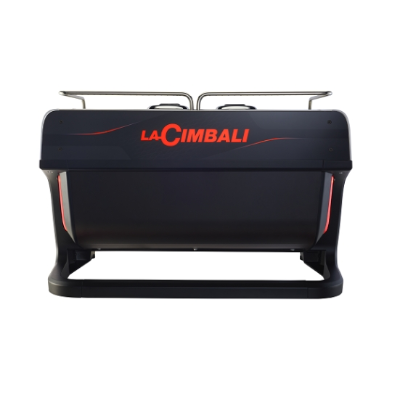
Real-World Benefits for Cafés and Hospitality Venues
The value of the La Cimbali M200 HQM becomes most obvious when it is applied in a real café or hospitality environment, where pressure, variability, and speed define daily performance.
One of the most immediate benefits is consistency across every cup. In busy venues, drink quality often fluctuates depending on who is on shift. HQM significantly reduces this variability, ensuring that milk texture, temperature, and volume remain stable regardless of operator experience. This creates a more reliable customer experience and strengthens brand trust over time.
Another major advantage is faster service during peak periods. Because milk preparation is automated and pre-configured, baristas can produce milk-based drinks more efficiently without pausing to manually steam and texture each jug. Over the course of a rush period, this can translate into noticeably higher throughput and reduced queue times.
From an operational perspective, the M200 HQM also helps reduce training time for new staff. Instead of mastering complex milk-steaming techniques immediately, new team members can focus on workflow, customer service, and espresso fundamentals while the machine handles much of the milk precision work.
There is also a clear impact on waste reduction. Inconsistent milk texturing often leads to remakes, discarded product, or over-poured drinks. By standardising output, HQM helps minimise these inefficiencies, improving both cost control and sustainability outcomes.
Ultimately, the system is designed to support venues that are scaling or already operating at high volume—where small improvements in speed and consistency translate into meaningful gains in revenue and customer satisfaction.
How the M200 HQM Supports Specialty Coffee Standards at Scale
One of the common concerns with automation in coffee equipment is whether it compromises quality or moves a venue away from specialty coffee standards. The La Cimbali M200 HQM is designed specifically to address that tension by combining automation with precision control, rather than replacing barista input entirely.
At its core, the system allows cafés to maintain strict control over extraction and milk parameters while removing unnecessary variability. Espresso quality is still driven by advanced features such as independent boiler management and pressure profiling, while HQM ensures the milk component is equally consistent and repeatable.
This balance is particularly important for venues that want to maintain a specialty coffee identity while operating at scale. Instead of relying on individual skill differences, the machine helps standardise key outputs so that flavour profiles remain consistent across all drinks, shifts, and locations.
Importantly, HQM does not eliminate barista craftsmanship—it redirects it. Staff can focus more attention on dialling in espresso, engaging with customers, and managing workflow, rather than being tied up in repetitive milk texturing tasks. This creates a more efficient and elevated service environment where human skill is applied where it has the most impact.
For multi-site operators and high-volume cafés, this consistency becomes a strategic advantage. It allows them to confidently expand operations while maintaining a recognisable and repeatable coffee experience that aligns with specialty standards.
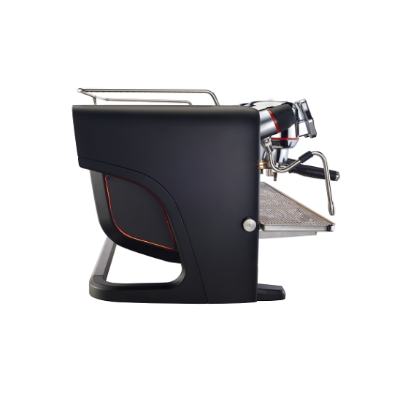
Is the La Cimbali M200 HQM Right for Your Business?
Choosing a commercial coffee machine like the La Cimbali M200 HQM is less about chasing features and more about matching capability to operational reality. It is designed for venues where coffee output is high, consistency is non-negotiable, and staffing levels or experience may fluctuate across the week.
For high-volume cafés, the M200 HQM is particularly effective when drink speed and queue management are constant challenges. The ability to automate milk preparation without sacrificing texture quality helps reduce service bottlenecks and maintain steady throughput during peak trading hours.
For multi-site hospitality groups, the machine offers a strong standardisation advantage. Once drink recipes and milk profiles are configured, they can be replicated across locations, helping ensure that customers receive a consistent experience regardless of venue or staff turnover.
In hotels and premium restaurants, where coffee may not be the core product but still plays a key role in guest experience, HQM reduces reliance on highly trained baristas. This allows teams to deliver café-quality drinks with less operational complexity, particularly during breakfast service or large events.
However, for smaller cafés with lower volume or a strong focus on manual craft-based coffee service, the full capability of the system may not be fully utilised. In those environments, simpler espresso setups may offer a better balance of cost and functionality.
Ultimately, the M200 HQM is best suited to businesses that view coffee as both a quality product and a scalable service operation—where consistency, speed, and reliability directly impact revenue and customer satisfaction.
Final Thoughts: Why HQM Represents the Next Step in Coffee Consistency
The La Cimbali M200 HQM reflects a broader shift in the hospitality industry: moving from labour-dependent consistency to system-driven precision. As cafés and venues continue to face pressure from staffing shortages, rising customer expectations, and high service volumes, equipment like this is becoming less of a luxury and more of an operational strategy.
What makes HQM particularly significant is not just its ability to automate milk texturing, but the way it integrates into the wider coffee workflow. It doesn’t remove the barista from the process—it stabilises the parts of the process that are most prone to variation. The result is a more predictable, efficient, and scalable coffee service model.
When paired with the advanced extraction capabilities of the M200 platform, HQM helps create a complete end-to-end system where both espresso and milk are controlled with a high degree of precision. This level of consistency is increasingly important for businesses competing in a market where customers expect café-quality coffee everywhere they go.
For operators focused on growth, multi-site expansion, or simply improving service reliability, the M200 HQM represents a clear direction of travel for modern coffee equipment: less variability, more control, and consistent quality at scale.
Looking for a demonstration of the HQM feature?
Talk to our friendly team
Frequently Asked Questions
What does HQM mean on the La Cimbali M200?
HQM stands for High Quality Milk. It is an automated milk system that controls temperature, aeration, and texture to produce consistent milk-based coffee drinks with minimal variation between users.
Does the La Cimbali M200 HQM replace manual milk steaming?
It does not fully replace baristas, but it automates the milk texturing process. This reduces manual workload while still allowing staff to focus on espresso extraction, workflow, and customer service.
How does HQM improve coffee consistency?
HQM standardises milk temperature and foam density across every drink, regardless of who is operating the machine. This removes variability caused by differing barista skill levels.
Is the La Cimbali M200 HQM suitable for high-volume cafés?
Yes. It is designed for high-output environments where speed, consistency, and reliability are essential, such as busy cafés, hotels, and multi-site hospitality groups.
Can milk settings be customised on the M200 HQM?
Yes. Operators can adjust and store multiple milk profiles, including temperature and foam density, allowing different drinks to be standardised across service.
Does the HQM system make cleaning easier?
Yes. The system includes automated cleaning cycles and simplified maintenance processes to reduce downtime and improve hygiene compliance.
What are the main benefits of HQM for cafés?
The main benefits include improved consistency, faster service, reduced staff training time, and lower waste due to fewer drink remakes.